There’s something irresistibly indulgent about a glass of dessert wine. Its silky sweetness, rich aromas, and golden hue tell a story of craft and celebration. Whether you’re a seasoned wine enthusiast or just beginning your wine education journey, dessert wine offers a window into a world where flavor meets artistry.
In this guide, we’ll explore what makes ONEHOPE’s California Dessert Wine so captivating: how it’s made, what “non-vintage” really means, and how to pair it with your favorite foods. By the end, you’ll not only appreciate dessert wine, you’ll know exactly how to enjoy it like a connoisseur.
What Is Dessert Wine? Understanding the Basics
A Sweet Expression of Craft and Character
Dessert wines are known for their luscious sweetness, achieved by stopping fermentation early or fortifying the wine with grape spirits, preserving the grapes’ natural sugars. Our California Dessert Wine is crafted in a Portuguese-inspired style, meaning it’s fortified, giving it a higher alcohol content (18%) and a beautifully complex body.
Each sip reveals toffee, dark plum, and sweet cherry, layered with subtle floral notes and tobacco undertones. A balance of richness and finesse that makes dessert wine so distinctive.
What Does “Non-Vintage” Mean in Dessert Wine?
Unlike most wines labeled with a specific year, non-vintage wines are blended from multiple harvests. This allows winemakers to achieve consistency in flavor and quality, ensuring every bottle tastes just as exceptional as the last.
For ONEHOPE, blending across vintages allows our winemaker to fine-tune each release, balancing acidity, sweetness, and depth, to create a harmonious dessert wine that captures the spirit of California sunshine in every pour.

Tasting Notes
- Sweetness: Sweet (This is on the higher end of the sweetness scale. On a typical wine sweetness scale from “Bone Dry” to “Lusciously Sweet,” this wine sits near the top, perfect for those who love a velvety, dessert-style experience.)
- Body: Medium
- Acidity: Medium
- Profile: Bright fruit and floral notes complemented by caramel, toffee, and tobacco tones
The Story Behind the Label
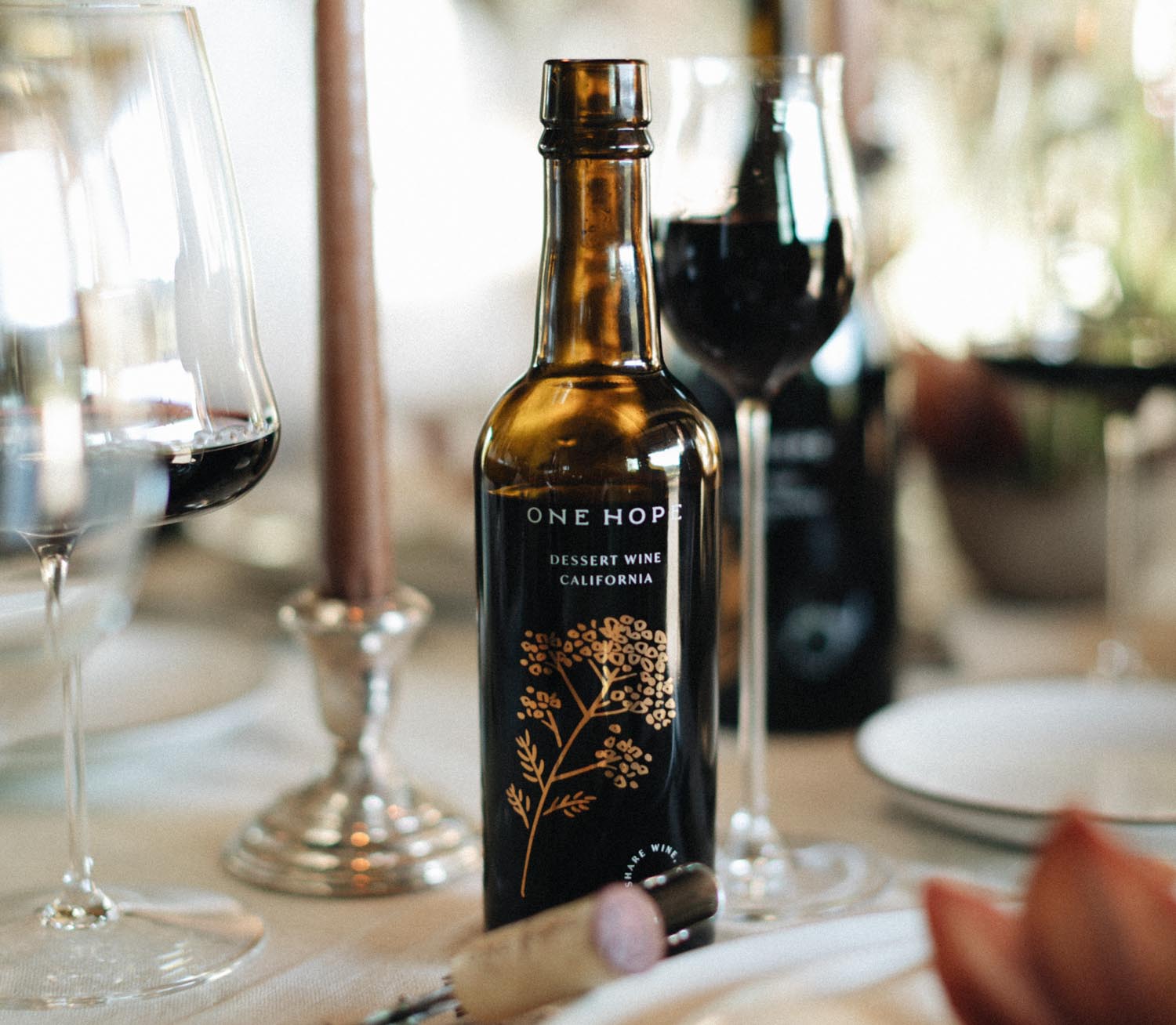
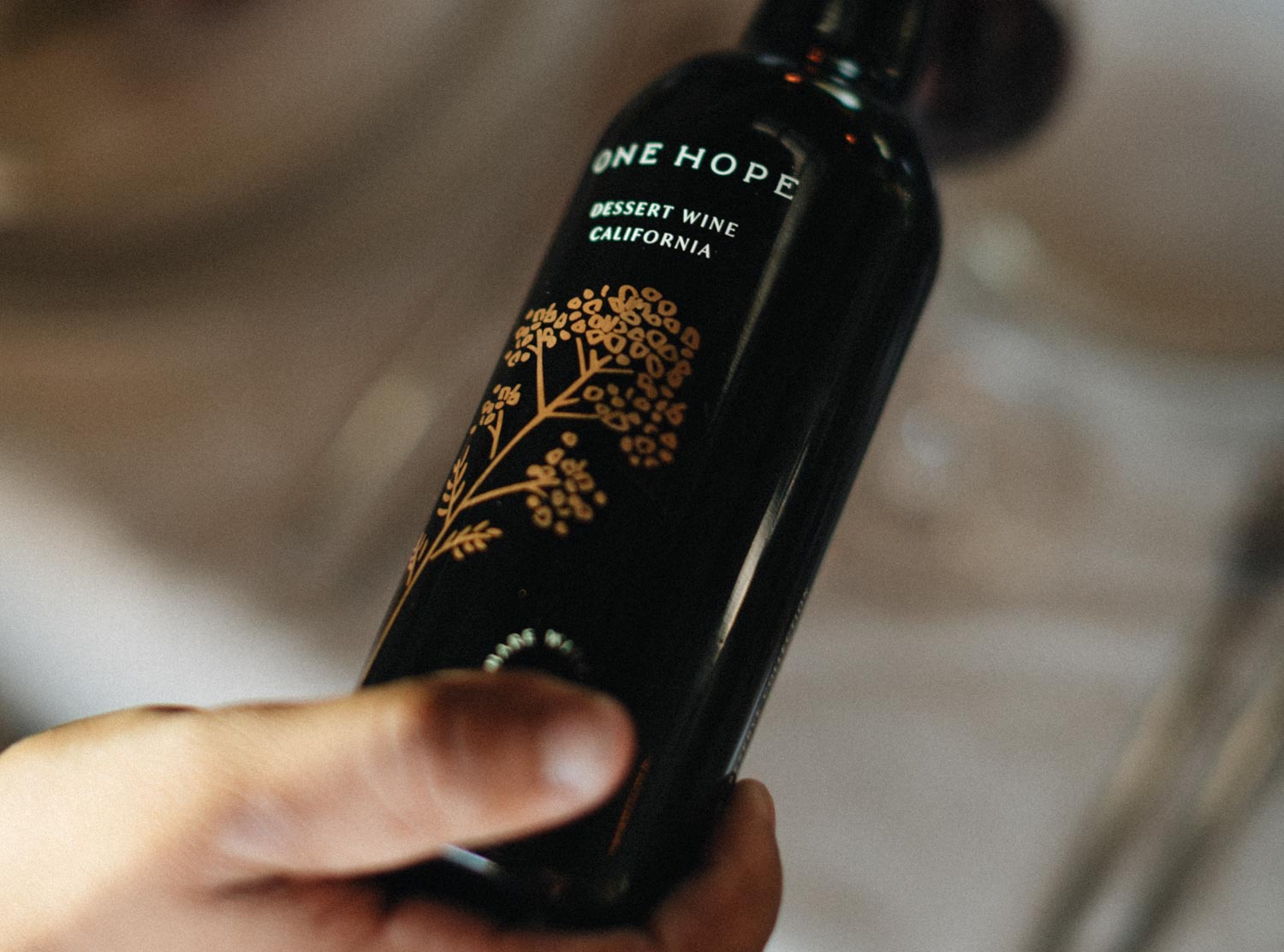
The bottle’s illustration features yarrow, a flowering plant found across California. More than a design, it symbolizes resilience and renewal. And through ONEHOPE’s mission, every bottle gives back. Your enjoyment directly helps spread hope with every pour.
How to Serve and Savor Dessert Wine
Serving Temperature
Serve slightly chilled, around 55–60°F (13–15°C). Too cold, and the aromas will hide; too warm, and the sweetness may feel overpowering.
Glassware
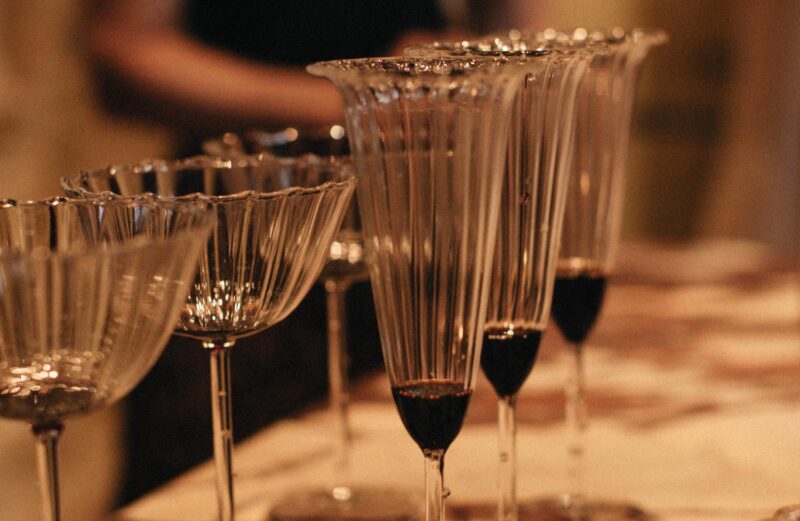
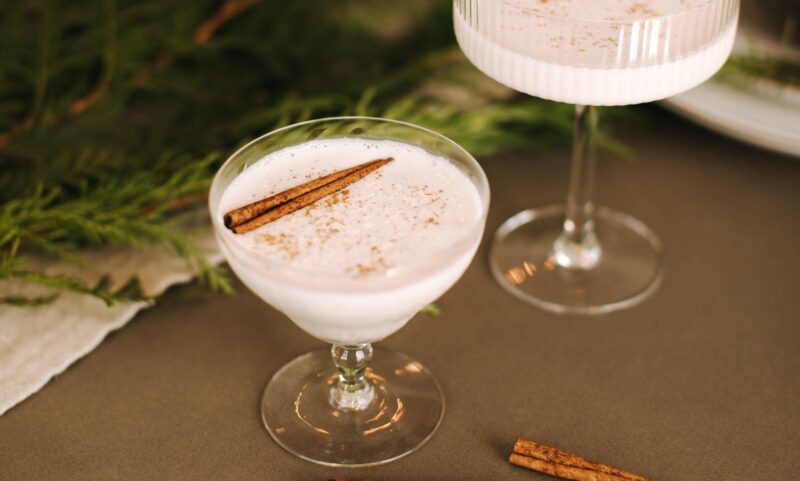
Use a small port or dessert wine glass to concentrate the rich bouquet of aromas and allow for a slower, more mindful sip.
Portion & Pace
A little goes a long way. Pour 2–3 ounces per serving. Dessert wines are best enjoyed slowly, often after dinner or alongside a sweet or savory treat.
Perfect Food Pairings for Dessert Wine
Pairing dessert wine is an art, and the right combination can elevate your experience from simple to spectacular.
| FLAVOR TYPE | RECOMMENDED PAIRING | WHY IT WORKS |
| Sweet & Creamy | A slice of rich cheesecake | Balances the acidity while complementing the creamy texture. |
| Chocolate & Decadent | Dark chocolate truffles | Enhances cocoa notes and contrasts the wine’s fruitiness. |
| Savory & Bold | Blue cheese (Bleu) | The saltiness harmonizes beautifully with the wine’s sweetness. |
Dessert wine is more than a sweet indulgence, it’s an experience rooted in craftsmanship, culture, and connection. With ONEHOPE’s California Dessert Wine, you’re savoring a thoughtfully made blend that celebrates the best of California’s vineyards while giving back to communities in need.
Next time you’re hosting, pair it with your favorite treat and share not just a dessert, but a story worth toasting to.


Comments are closed for this article!